Restoring the Hiatt Baker Estate's Historic Bath Stone Folly: Stone Cleaning, Repairs, and Repointing Techniques
- Dec 29, 2025
- 2 min read
Updated: Dec 30, 2025
The Bath Stone folly on the Hiatt Baker Estate near Bristol stands as a remarkable piece of history, showcasing craftsmanship from a bygone era. Over time, exposure to weather, organic dirt, and vandalism has taken a toll on this architectural gem. Restoring such a structure requires careful attention to detail and respect for traditional methods. This post explores the key steps involved in cleaning, repairing, and repointing the Bath Stone folly to bring it back to its former glory.

Cleaning Stone with Therma Tech Technology
One of the first challenges in restoration is removing layers of organic dirt, moss, and graffiti without damaging the delicate Bath Stone. The team used a Therma Tech cleaning system, which applies controlled heat and steam to the stone surface. This method gently lifts grime and biological growth while preserving the stone’s natural texture.
Therma Tech cleaning offers several advantages:
Avoids harsh chemicals that can erode stone
Minimizes water usage compared to traditional pressure washing
Effectively removes graffiti without abrasive scrubbing
This approach ensures the stone looks refreshed without compromising its integrity.
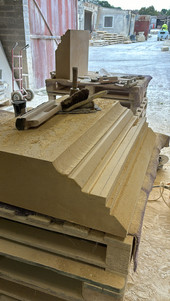
Replacing Large Hand-Crafted Cornices
The folly features large cornices that were originally crafted by hand, showcasing fine detailing and traditional stone masonry skills. Over time, some cornices suffered cracks and erosion, requiring replacement.
Skilled stonemasons carved new cornices from matching Bath Stone blocks, replicating the original designs. This process involved:
Selecting stone with similar grain and colour
Hand-carving details to match historic patterns
Installing cornices with traditional fixing methods to maintain authenticity
Replacing these cornices restored the folly’s architectural character and protected the structure from further weather damage.

Repointing with Lime Mortar
Repointing is essential to strengthen the joints between stone blocks and prevent water ingress. The restoration team used lime mortar, a breathable material that allows moisture to escape, reducing the risk of stone decay.
Key benefits of lime mortar repointing include:
Compatibility with historic Bath Stone
Flexibility to accommodate slight movements without cracking
Preservation of the building’s original appearance
The mortar was carefully mixed and applied by hand, ensuring neat joints that blend seamlessly with the existing stonework.
Stone Replacement Including Ashlars and Window Cills
Some ashlar blocks and window cills showed significant wear or damage. These elements were carefully removed and replaced with new Bath Stone pieces cut to precise dimensions.
The process involved:
Measuring and marking damaged stones for removal
Sourcing Bath Stone from local quarries to match colour and texture
Crafting replacement stones with attention to detail
Installing new stones with lime mortar and traditional fixing techniques
Replacing these critical elements improved the folly’s structural stability and visual appeal.

Restoring the Bath Stone folly at the Hiatt Baker Estate required a blend of modern technology and traditional craftsmanship. Using Therma Tech cleaning preserved the stone’s surface while removing dirt and graffiti. Hand-carved cornices and carefully repointed joints with lime mortar maintained the building’s historic character. Replacing worn ashlar blocks and window cills ensured the structure remains sound for years to come.